
 By Nathália Araújo
The Allure of Casino Environments
The design and ambiance of casinos play a crucial role in attracting and retaining gamblers. With their vibrant lights, exciting sounds, and engaging layouts, these establishments create an immersive experience that stimulates the senses. Research has shown that elements such as music and lighting are meticulously chosen to enhance excitement and make players feel more at ease, leading them to stay longer and wager more on best online pokies that are available. This sensory overload contributes to a captivating environment that makes it difficult for individuals to leave. The psychological impact of this atmosphere cannot be understated, as it draws players deeper into the experience and encourages prolonged engagement.
Moreover, casinos are strategically designed to disorient patrons and keep them engaged. For instance, the lack of windows and clocks creates a timeless feeling, leading players to lose track of how much time they’ve spent gambling. This disorientation is deliberate; it encourages the notion of “just one more game.” Such designs tap into psychological triggers, encouraging individuals to continue playing even after incurring losses. The absence of natural light and the maze-like layout contribute significantly to this phenomenon, reinforcing the idea that the thrill of gambling can temporarily overshadow the reality of time passing.
The psychology of choice within these environments is also fascinating. With a plethora of games available, players often face an overwhelming array of choices that can be increasingly difficult to navigate. This choice ambiguity can lead to increased emotional investment in their decisions, enhancing the enjoyment of the gambling experience. For many, the thrill of trying to beat the odds and the excitement of potential wins keep them coming back for more, reinforcing their attachment to the casino atmosphere. The complex interplay between choice and emotional response is a key factor in understanding why people readily return to gambling venues.
The Role of Risk and Reward
At the heart of casino gambling lies the dynamic between risk and reward. The excitement inherent in placing bets is amplified by the potential for significant financial gains, tapping into innate human desires for wealth and success. This is often referred to as the “gambling paradox,” where the chance of losing can spur engagement even more than the probability of winning. This complex relationship is driven by a variety of psychological factors, including optimism bias, where players tend to ignore the statistical realities of their game choices. The thrill of risk becomes a powerful motivator, often leading individuals to engage in behaviors contrary to logical financial planning.
Further complicating this dynamic is the concept of “near misses.” In many gambling scenarios, players encounter situations where they come just short of a win, a psychological phenomenon that can be exhilarating rather than discouraging. Near misses create a perception that winning is just around the corner, motivating players to return to the game in pursuit of that elusive win. This can lead to a cycle of repeated betting that escalates emotional investment and increases the likelihood of continued play, despite ongoing losses. Understanding the psychology behind these near misses can help explain why individuals often feel compelled to keep trying, even in the face of adversity.

Additionally, understanding the thrill derived from risk can help demystify why some individuals engage in high-stakes gambling. For many, the overriding excitement associated with risking substantial amounts of money can be intoxicating. This adrenaline rush not only enhances the gambling experience but can also lead to an addictive cycle, where the desire for that high becomes the driving force behind repeated visits to the casino. Balancing this element of risk with awareness is crucial for responsible gambling behavior. The allure of high rewards can overshadow the potential for significant losses, creating a dangerous cycle for many gamblers.
The Influence of Personal Emotions
The emotional landscape of gamblers significantly impacts their behavior within casinos. People often turn to gambling as a way to escape stress or emotional distress. For some, the thrill of gambling serves as temporary relief from the pressures of daily life, creating a dependency on that high-stakes environment. This emotional connection can lead to gambling becoming a coping mechanism, further complicating the relationship individuals have with gambling activities. Understanding this reliance on gambling as an emotional escape is vital in addressing gambling-related issues.
Furthermore, emotions such as joy, frustration, or anger can directly influence gambling decisions. Players may gamble more liberally when feeling euphoric or may chase losses when in a state of anger or disappointment. This emotional rollercoaster can cloud judgment, leading to irrational decisions based on fleeting feelings rather than sound strategy. The interplay of emotion and gambling behavior emphasizes the need for self-awareness in managing one’s gambling habits. Recognizing how emotions can drive behavior is essential for maintaining a healthy relationship with gambling, allowing individuals to make more rational and informed choices.
The social component of gambling can also impact emotions. Group dynamics can lead to heightened excitement in a casino setting, as shared experiences amplify feelings of joy or camaraderie. However, this social aspect can also lead to peer pressure, encouraging individuals to gamble more than they initially intended. Recognizing the emotional triggers present in these scenarios is essential for maintaining a healthy relationship with gambling, ensuring that it remains a form of entertainment rather than a source of distress. By understanding the social influences at play, individuals can better navigate their gambling experiences and make choices aligned with their personal limits and goals.
Behavioral Patterns and Addiction
The potential for gambling addiction is a significant concern within casino psychology. Specific behavioral patterns may indicate a transition from casual gambling to compulsive behavior. Individuals may find themselves increasingly preoccupied with gambling or unable to limit their betting, even when they recognize negative consequences. This shift can often be subtle, starting with harmless play that escalates into a need to gamble despite adverse effects on their relationships and financial well-being. Awareness of these patterns is crucial in identifying the onset of problematic gambling behaviors.
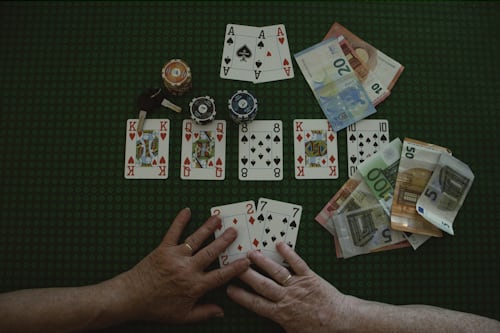
Many factors contribute to gambling addiction, including individual psychological predispositions, environmental influences, and the very design of the gambling experience itself. Casinos often employ marketing tactics that promote loyalty programs and bonuses to entice players to gamble more. These strategies can hook vulnerable individuals, making it hard for them to resist the alluring offers and escalating their playtime. Such promotional techniques can create a cycle where the individual feels compelled to keep playing, hoping to redeem losses or achieve promised rewards. Understanding these tactics is vital for consumers to protect themselves from falling into the trap of compulsive gambling.
Furthermore, recognizing the signs of gambling addiction is crucial for both individuals and their loved ones. Symptoms can range from secretive behavior and financial issues to mood swings and neglecting responsibilities. Early intervention is critical; support groups and professional counseling can offer avenues for recovery, emphasizing the importance of understanding gambling behavior and its psychological underpinnings. Addressing these issues head-on can lead to healthier patterns of activity and a more balanced approach to gambling. The journey toward recovery often begins with recognition and a willingness to seek help, paving the way for a healthier relationship with gambling.
Understanding Casino Gambling Through Education
One of the best ways to address the complexities of casino gambling is through education, both for gamblers themselves and for the broader community. Educational initiatives can inform individuals about the psychological aspects of gambling, including the risks and rewards, emotional influences, and potential for addiction. Such knowledge can empower players to make informed decisions, promoting responsible gambling behavior and fostering healthier relationships with casino environments. Understanding the psychological triggers involved can significantly mitigate the risks associated with gambling.
Furthermore, creating awareness of the psychological triggers that influence gambling behavior can lead to better strategies for managing risks. Programs designed to educate players about the odds of different games, the mathematical concepts behind them, and the emotional considerations involved can equip individuals with tools to navigate their experiences. Education can demystify the gambling experience, reducing the stigma surrounding it while promoting healthier approaches. By fostering an informed community, we can create a supportive environment for those who choose to gamble.
In conclusion, understanding the psychology behind casino gambling is critical for developing strategies to promote responsible play. As the industry evolves, increased focus on education and awareness initiatives will play a vital role in curbing the adverse effects of gambling. By fostering a deeper understanding of the emotional, behavioral, and environmental factors involved, we can create a more balanced approach to gaming that prioritizes enjoyment and safety. Ultimately, informed individuals are better equipped to enjoy gambling as a form of entertainment rather than allowing it to negatively impact their lives.