 By Nathália Araújo
Understanding the House Edge
One of the most pervasive myths about casino gambling is the belief that players can consistently beat the house edge through strategies or systems. The house edge represents a statistical advantage that a casino has over players, often woven into the very fabric of the games. For example, in card games like blackjack, while skilled players can minimize losses through strategy, the odds still favor the house. This reality means that no strategy can completely eliminate the inherent risk associated with casino games, and those looking for entertainment might consider the best betting sites canada available to enhance their experience.
Many gamblers cling to the notion that betting patterns or previous outcomes can influence future results, leading them into the gambler’s fallacy. This misconception occurs when individuals believe that after a series of losses, a win is due. In reality, each spin of a slot machine or hand of cards is an independent event, driven strictly by probability. Understanding this concept can help players make more informed decisions and avoid falling into the trap of misguided beliefs that can lead to greater losses.
Moreover, the allure of systems like Martingale or Fibonacci can often lead players into deeper losses rather than guaranteed wins. These strategies suggest increasing bets after losses to recoup previous losses; however, they fail to account for betting limits and the mathematical nature of odds. Recognizing the distinction between luck and skill is crucial for adopting a healthier approach to gambling, where enjoyment prevails over the misguided quest for profit. A balanced understanding of the house edge can empower players to enjoy their gaming experience responsibly.
The Role of Luck vs. Skill
Another common myth in casino gambling is the misconception that skill alone determines success in games of chance. While skills undeniably play a significant role in certain games, particularly in table games like poker and blackjack, many people overlook the element of luck that is equally vital. In games such as slots and roulette, luck is the primary determinant of outcomes. Understanding this blend of chance and skill is essential for managing expectations and experiences in a casino environment, allowing players to enjoy the thrill without unrealistic hopes.
In skill-based games, seasoned players often utilize strategies that enhance their decision-making and potentially improve their winning odds. For instance, knowledgeable poker players can read their opponents and calculate odds, leveraging their skills to gain an advantage. However, even the best strategies cannot eliminate the unpredictable aspect of luck, which can turn the tide unexpectedly. This duality of fate and skill is what makes casino gambling exciting yet unpredictable, and recognizing this balance can lead to a more fulfilling gambling experience.
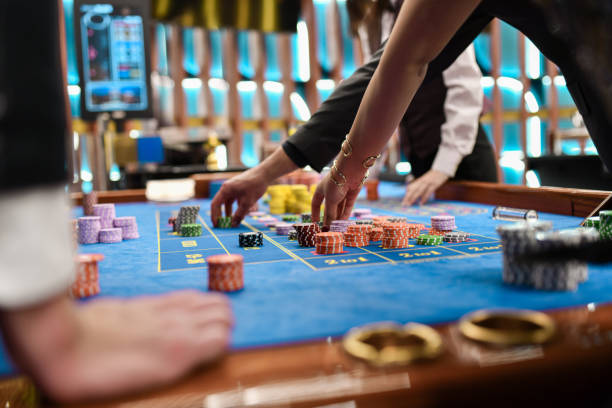
Many players mistakenly believe that they can consistently win through sheer skill alone, disregarding the randomness that governs most games. This misconception can lead to overconfidence, resulting in risky betting behaviors that may culminate in significant losses. Acknowledging that every session holds unpredictability helps cultivate a more realistic and balanced approach to casino gambling, where enjoyment is prioritized over misguided expectations of winning through skill alone.
The Myth of Hot and Cold Streaks
The belief in hot and cold streaks is another myth that can mislead players in the world of casino gambling. Players often perceive certain machines or tables as “hot,” meaning they are more likely to produce wins after a streak of payouts. Conversely, they may feel that others are “cold,” leading to inevitable losses. However, this perception does not align with the reality of how casino games operate, where outcomes are entirely random and unaffected by previous events.
This myth is particularly prevalent in slot machines, where players may mistakenly believe that machines that haven’t paid out recently are due for a win. In reality, each spin is an independent event, and previous outcomes do not influence future results. Casino games utilize random number generators (RNGs) to ensure that every result is random and fair, effectively negating the idea of streaks. Understanding this can help players avoid irrational betting based on flawed assumptions that can lead to unnecessary losses.
Moreover, the idea of streaks can lead players to make emotional decisions, such as chasing losses or increasing bets in anticipation of a ‘hot’ machine. This behavior often results in greater losses and frustration. By recognizing that outcomes are random and that no machine or table is genuinely “hot” or “cold,” players can approach gambling with a clearer mindset, focusing on enjoyment rather than irrational expectations of winning based on streaks. Awareness of these concepts fosters a healthier gambling experience.
Gambling as an Investment Strategy
Many individuals erroneously view gambling as a viable investment strategy, hoping to generate income or financial security through casino games. This misconception can be particularly dangerous, as it often leads to significant financial losses. Casinos are designed to generate profit for their operators, meaning that the odds are typically against the player. Viewing gambling through the lens of investment can cloud judgment and lead to desperate attempts to recover losses, resulting in an unhealthy cycle of gambling behavior.

In contrast to traditional investments that involve research, analysis, and long-term strategies, gambling is primarily about chance and volatility. While there are skilled players who manage to profit from poker or sports betting, the overwhelming majority of players will lose money over time. This reality necessitates a clear distinction between entertainment and investment, where gambling should be viewed primarily as a leisure activity rather than a financial strategy that one relies upon for income.
Furthermore, many novice gamblers enter casinos with inflated expectations, believing they can achieve quick riches without fully grasping the risks involved. This perspective can create a cycle of loss, as players chase their losses in hopes of turning luck in their favor. By acknowledging that gambling is not a reliable means of income, individuals can foster a healthier relationship with gambling, prioritizing responsible play over unrealistic expectations that can lead to devastating consequences.
Discovering Responsible Gambling Resources
Understanding the myths surrounding casino gambling is essential for promoting responsible gambling practices. As the industry continues to grow, it is crucial for players to educate themselves about these misconceptions and the realities of gaming. Numerous resources exist to help individuals develop a healthy approach to gambling, including gambling awareness programs and support groups. These resources aim to promote understanding and assist players in making informed decisions that prioritize their well-being.
Effective gambling education emphasizes the importance of self-control, setting limits, and recognizing the signs of problematic behavior. Many casinos also offer programs encouraging responsible gaming, providing tools for players to monitor their gambling habits and access support when needed. By embracing these resources, individuals can enjoy the thrill of casino gambling while minimizing the risks associated with gambling addiction, ensuring a safer and more enjoyable experience.
As more people engage with online platforms and traditional casinos, addressing the myths surrounding gambling becomes increasingly vital. This effort not only helps protect individuals but also enhances the overall gaming experience. By fostering an environment of informed and responsible gambling, casinos can continue to thrive while ensuring that players have the knowledge they need to gamble safely and responsibly, contributing to a healthier gaming community overall.